Understanding High Blood Pressure: Causes, Symptoms & What You Can Do
Why it often has no symptoms, what raises your risk, and the everyday habits that help keep it in check.
Category: Chiropractic / Wellness|Reading Time: 5–6 Minutes

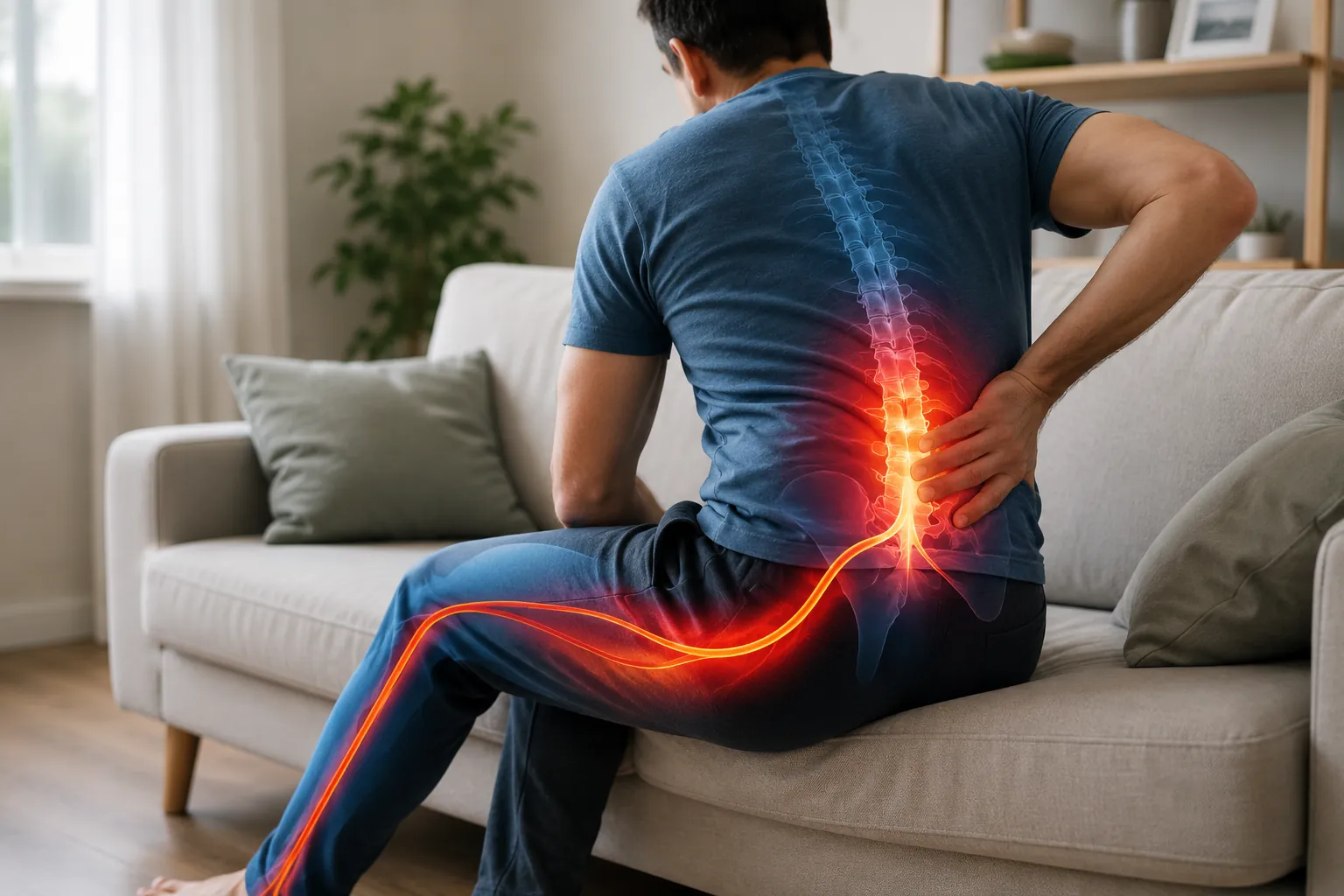
Back pain can develop from many different factors, including muscle strain, poor posture, inactivity, repetitive movements, and improper lifting. While not every episode of back pain can be prevented, healthy daily habits can help reduce stress on your back and support strength, flexibility, and mobility.
Regular movement is one of the best ways to support a healthy back. Strengthening your core, back, hip, and leg muscles can provide better support for your spine and improve mobility.
Walking, stretching, and other low-impact activities can be good ways to stay active. If you're experiencing pain, choose activities that feel comfortable and speak with a healthcare professional about exercises that are appropriate for you.
Poor posture can place additional stress on the muscles and joints supporting your spine.
When sitting or standing:
Improper lifting is a common contributor to back strain. When lifting something heavy, keep the object close to your body and bend through your knees and hips rather than relying on your lower back.
If something is too heavy to lift safely, ask for assistance or use equipment designed to help move it.
Spending long periods in one position can contribute to stiffness and discomfort. If you work at a desk or spend significant time driving, take regular breaks to stand, walk, and change your position.
A supportive chair and properly positioned workstation can also help reduce unnecessary strain on your back.
Extra weight, particularly around the midsection, can place additional stress on the lower back. Maintaining a healthy weight through regular activity and balanced nutrition can support your spine and overall musculoskeletal health.
Your sleeping position and mattress can affect how comfortable your back feels.
Some people find side sleeping with a pillow between the knees comfortable. If you sleep on your back, placing a pillow beneath your knees may provide additional support. A medium-firm mattress may also be more comfortable for some people with recurring back discomfort.
If back pain continues, keeps returning, or interferes with your daily activities, it's worth discussing it with a healthcare professional.
Seek prompt medical attention if back pain occurs with symptoms such as significant weakness or numbness, loss of bladder or bowel control, or following a serious injury.
Why it often has no symptoms, what raises your risk, and the everyday habits that help keep it in check.
The early warning signs of type 2 diabetes, who is at risk, and simple changes that support healthy blood sugar.
Common causes of back pain, the warning signs that need prompt attention, and how it is treated.
Colds and the flu can look alike. Here is how to tell them apart and when to seek care.
What a physical exam covers, why preventive visits matter, and how to prepare for your appointment.
What your cholesterol numbers mean and the lifestyle steps that help protect your heart.
How sciatic nerve pain feels, what causes it, and the symptoms that mean you should be seen.
The most common flu symptoms, who is at higher risk, and when to contact a provider.
Practical hygiene, vaccination, and wellness habits to stay healthy through respiratory season.
Your everyday habits can make a difference in how your back feels and functions. Staying active, maintaining good posture, lifting carefully, and paying attention to your body's signals can help support long-term back health. If you're dealing with persistent back pain or mobility concerns, the First MD team can help evaluate your symptoms and discuss appropriate care options.